In collaboration with my workplace, I’ve put together the best tips to help you ride longer, ride more often and even beat your mates.
These tips will give you simple and practical information to improve your cycling capacity and to avoid injuries. This first part is mainly about fitting your bike properly according to your type of riding and personal body characteristics. It is a good starting guide to fit your bike at home.
Learn how to fit your bike : 7 Tips to Get the Most Out of Your Body on Your Bike (Part 1)
The second part is coming soon and will focus on “being fit for your bike”. The content will include the main muscles to strengthen, pedaling cadence and injury prevention.
Don’t hesitate to give feedback or ask questions.
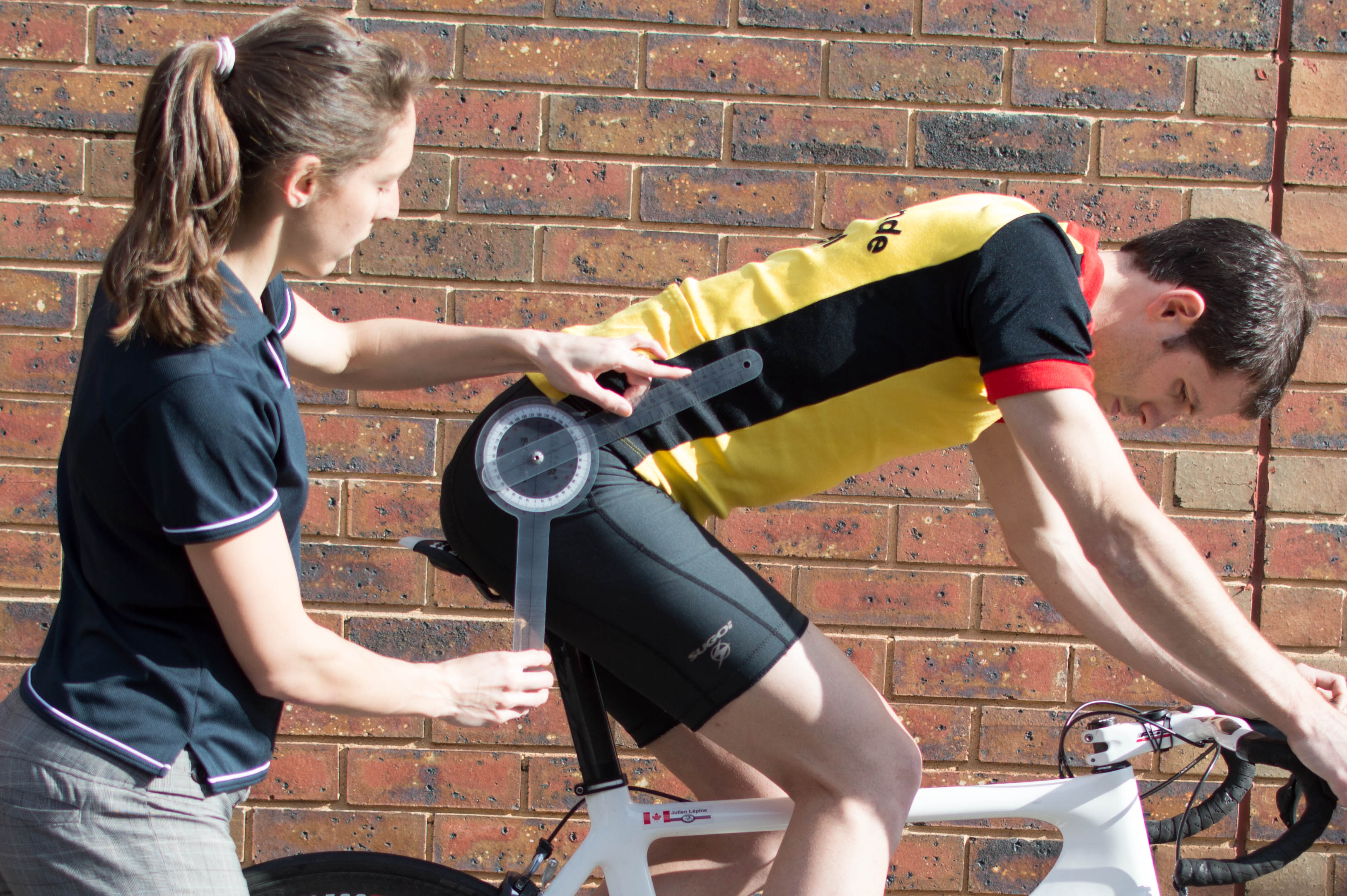
 The handlebars of a recreational rider should be positioned so that the trunk is bent forward by 10° to 40° from the vertical. The hands should be slightly wider than the shoulders. This more upright position reduces the stress on the arms, shoulder, neck and back but is not as aerodynamic.
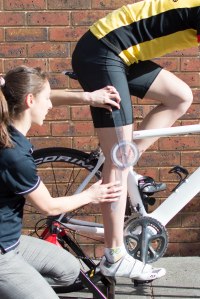 The first critical part to properly fit a bike is the saddle. Many ways have been used over the years to find the optimal height. The latest research shows that the most reliable measure is when the cyclist is seated on the bike. With the p
 The Body and The Bike